Ask about a hearing test
Fylde Coast audiology
Find out what has changed with your hearing
You have noticed something different about how you hear, and you want to know what it means. Send an enquiry here and a specialist audiology practice covering your part of the Fylde Coast will arrange a test.
- Local practices across the Fylde Coast
- No cost for the initial enquiry
- One appointment, full results
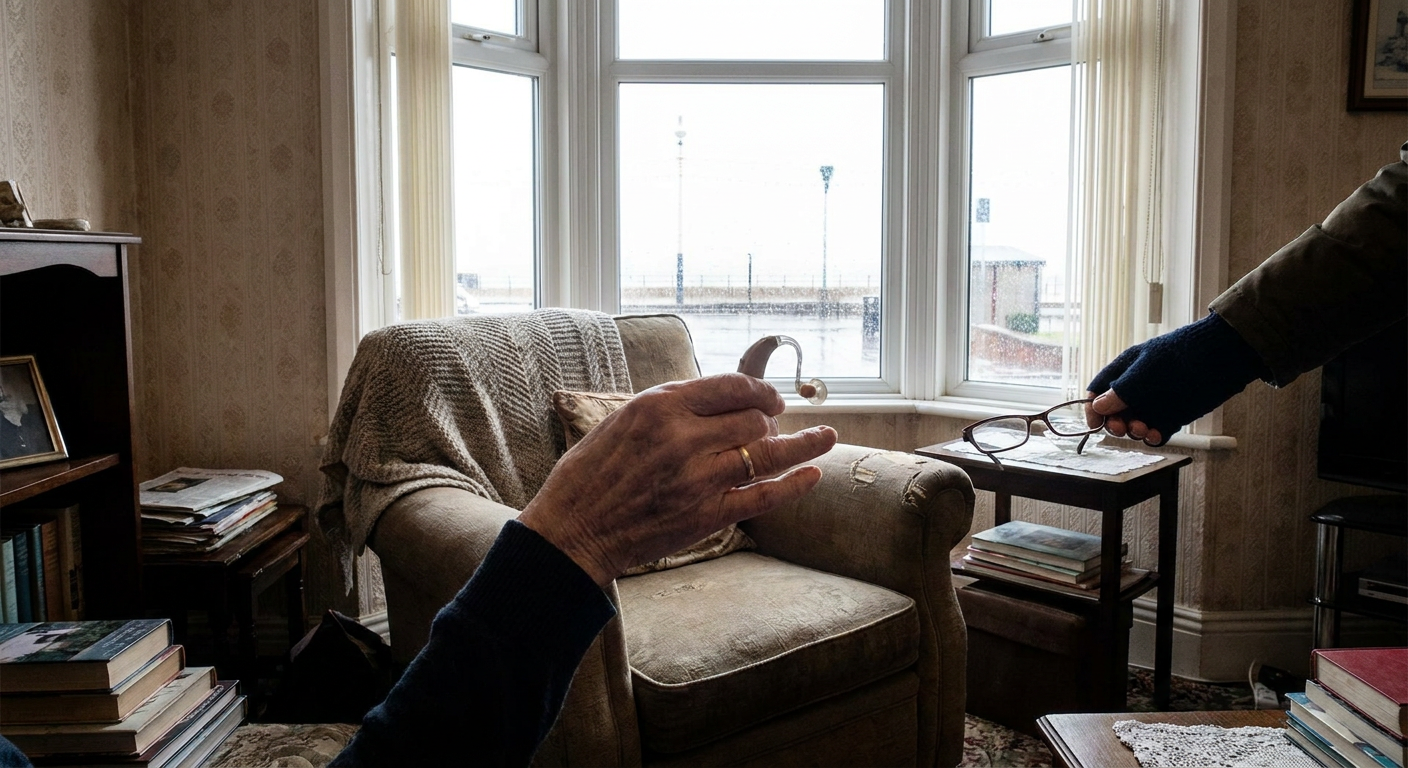
Signs your hearing may have changed
Hearing rarely drops all at once. The shift tends to happen slowly, so the first clues show up in daily habits rather than silence. You might notice yourself doing things differently without thinking about why.
- 1
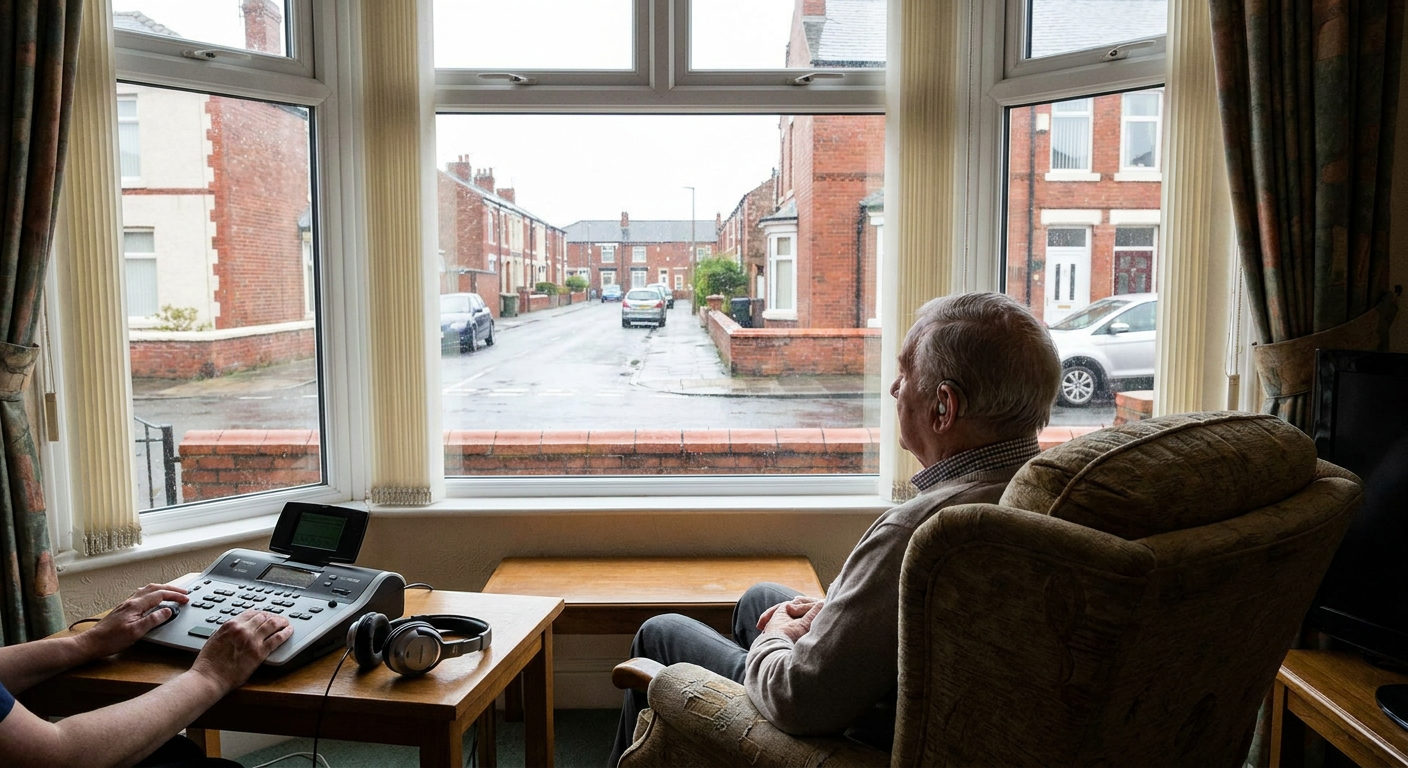
Turning the television up
The volume keeps creeping higher than it used to, or other people in the room mention it is loud. This often points to reduced sensitivity.
- 2
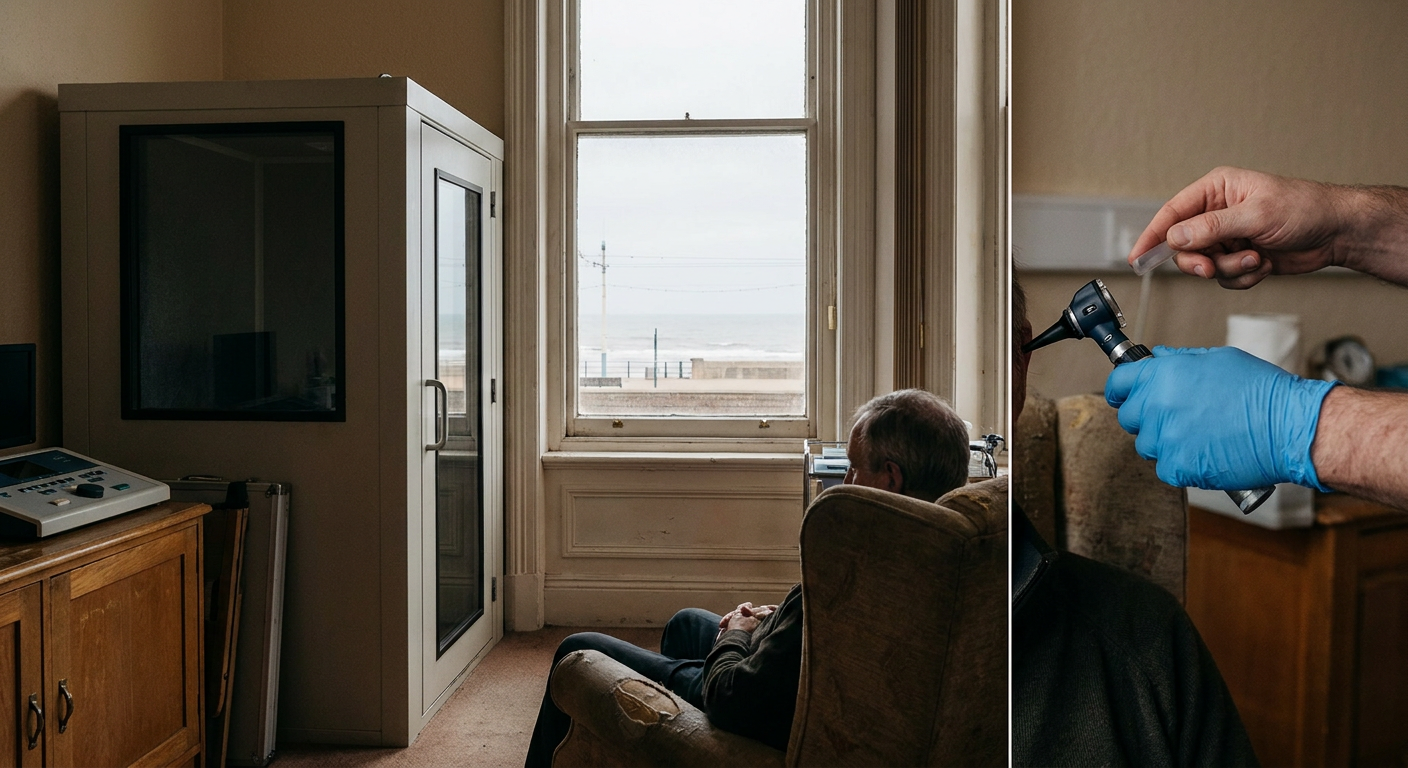
Losing words in busy rooms
Background noise drowns out the person sitting opposite you. Picking out speech from competing sounds becomes harder as hearing changes.
- 3
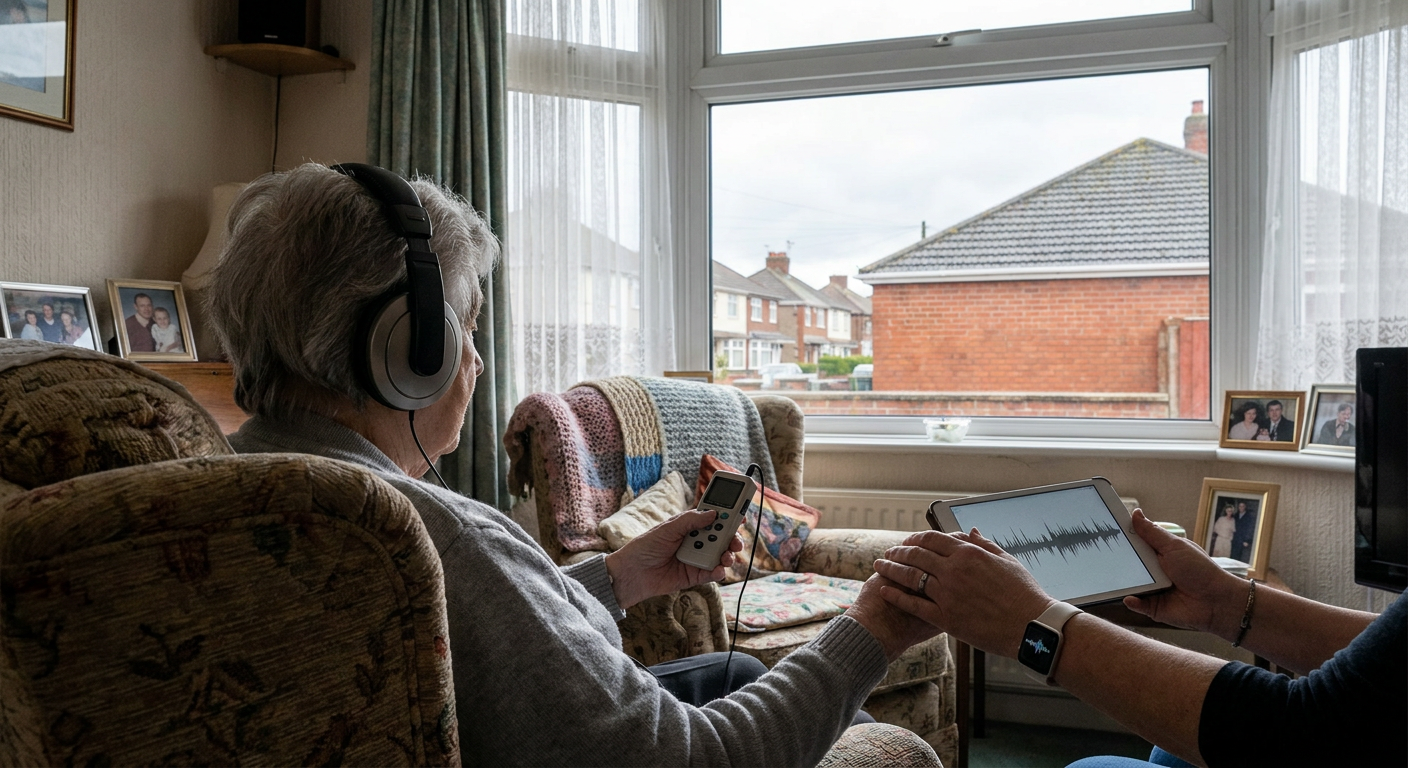
Asking people to repeat themselves
You catch that someone spoke but miss the actual words. This happens frequently enough that you start to notice the pattern.
- 4
A constant ringing sound
A buzz, hiss or hum sits in one or both ears even when the room is quiet. It can signal several different underlying causes.
Hearing services on the Fylde Coast
Each service suits a different situation. Pick the one that fits what you are experiencing right now.
How to arrange a hearing test
You do not need a referral or any medical knowledge to start. The process takes a few minutes on your end, and the specialist handles the rest.
-
the same day
Send an enquiry
Fill in the short form with your name, where you live on the Fylde Coast and what you have noticed. No preparation is needed.
-
Within a week
Receive a call back
A specialist audiology practice covering your area will phone you. They will ask a few questions and suggest dates for an appointment.
-
Step 3
Attend the hearing test
The audiologist runs through a series of checks at the clinic or in your home. You sit quietly and respond to sounds through headphones.
-
Step 4
Get your results
The audiologist explains what the test showed and talks through any next steps. You leave knowing exactly where your hearing stands.
What happens during the hearing test
The audiologist follows a set order so each check builds on the last. This sequence separates problems in the outer ear from those deeper inside.
-
Ear examination
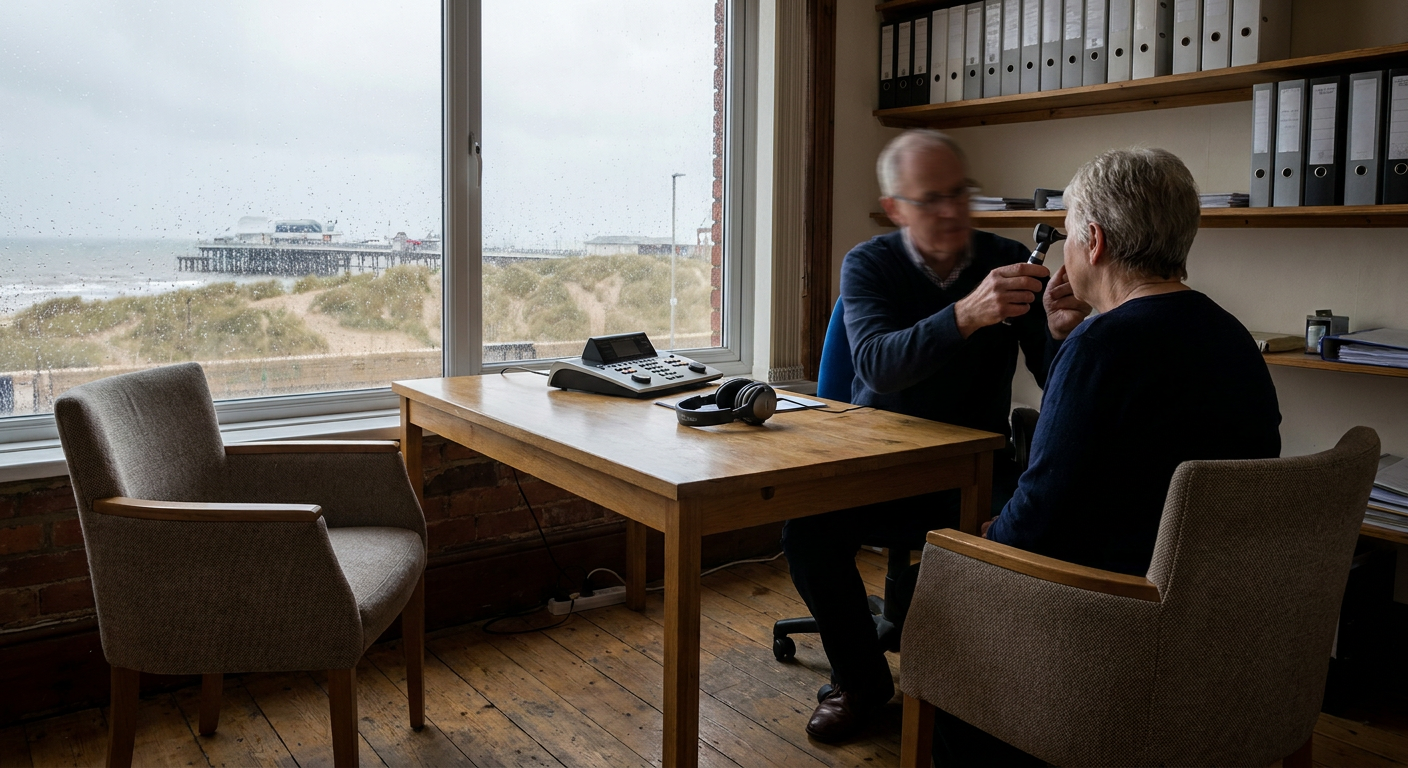
The audiologist looks inside the ear canal with a lighted instrument. This rules out wax build-up, infection or physical blockage before any tones play.
-
Tone responses
You wear headphones and press a button each time you hear a beep. Different pitches and volumes map out the quietest sounds you detect.
-
Speech recognition
Words are played at various volumes and you repeat them back. This shows how well you understand conversation, not just pure tones.
-
Middle ear pressure
A soft probe changes air pressure in the ear canal while measuring the eardrum response. It identifies fluid or stiffness behind the drum.
If results conflict, the audiologist repeats specific checks or refers you for further medical investigation.
Working out how soon to act
The important question is not what to call the problem, because only a test settles that. What matters is how quickly you should book one. Some changes need attention within days, while others can wait a little longer.
-
My hearing dropped suddenly in one earToday
Sudden loss in one ear can stem from several causes, some of which respond best to treatment started within days.
What to do Enquire today and mention the sudden change so the practice prioritises you.
-
I hear ringing that started after a loud eventSoon
Noise exposure can trigger tinnitus or temporary threshold shifts. Early assessment shows whether the effect is likely to settle on its own.
What to do Book a tinnitus assessment within the next week or two.
-
I keep turning the TV louder over several monthsSoon
A gradual need for more volume usually reflects a slow shift in sensitivity. A test measures how far it has moved.
What to do Arrange a standard hearing test at a convenient time.
-
I struggle in noisy pubs but cope fine at homeWorth watching
Difficulty separating speech from background noise is common in early hearing changes. It does not always mean permanent loss.
What to do Mention this specific situation when you eventually book a test.
-
I am asking my parent to get checkedSoon
Older adults often accept the change as normal ageing. An outside perspective helps, and a baseline test gives everyone clarity.
What to do Read the guidance on arranging a test for someone else first.
Nothing here diagnoses your hearing. If a change happened suddenly or is worsening fast, ask about it today rather than waiting.
Tell us what you have noticed
Sending an enquiry is free and takes under a minute. A specialist audiology practice on your part of the Fylde Coast will call you back to arrange a test.