Fylde Coast
What a full hearing test actually measures
Send an enquiry to book a hearing test at a local clinic. The audiologist will explain every step before it begins, and asking costs nothing.
Hearing care available locally
Each appointment follows the same clinical standards. An audiologist runs the tests, explains the results and recommends next steps based on what they find.
-

Audiologist Appointments
An audiologist conducts the assessment in a sound-treated booth, measuring how each ear responds to tones and spoken words.
-

Hearing Aid Fitting
The audiologist programmes the device to match the test results and adjusts the fit so it sits comfortably in the ear.
-
Hearing Aid Repairs
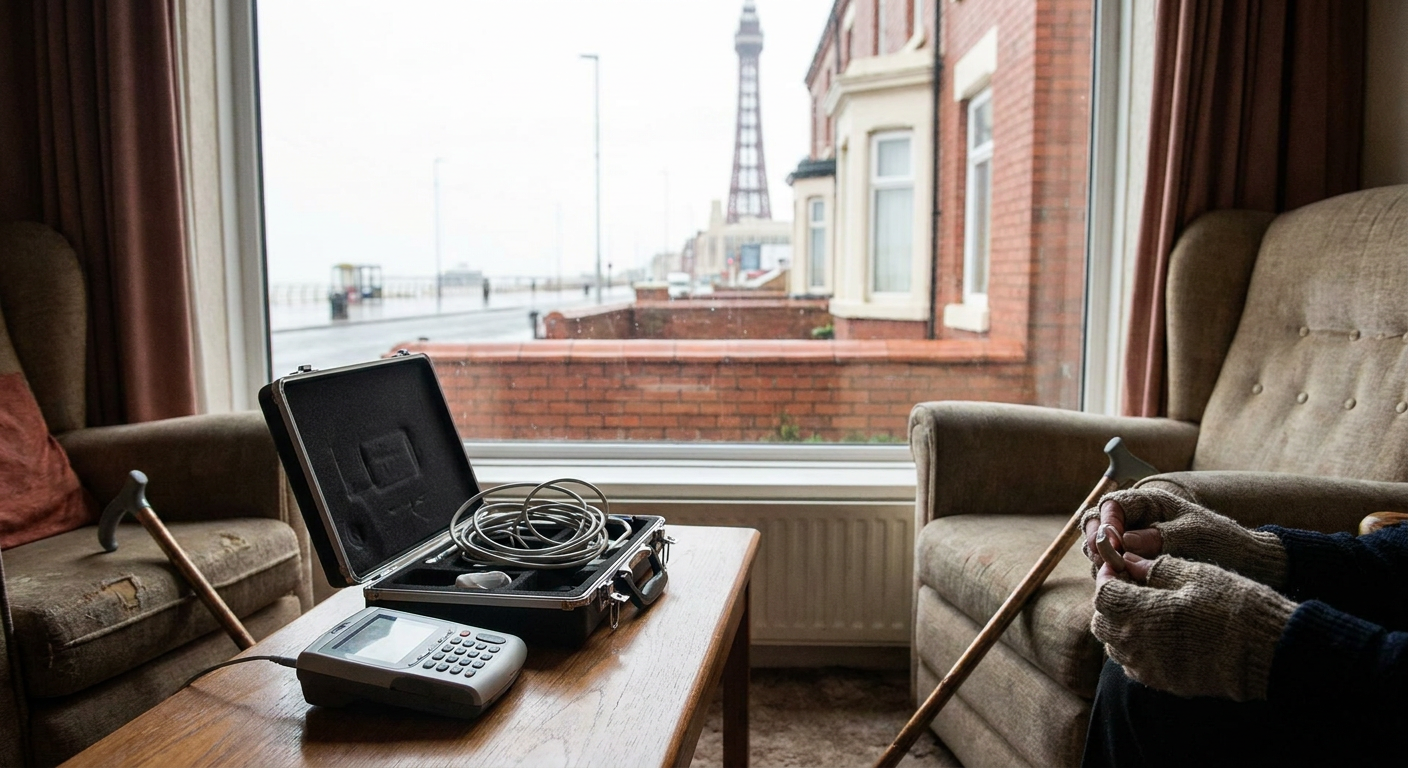
A technician examines the device for blocked filters, worn tubing or internal faults and replaces what is needed.
-
Home Visit Assessments
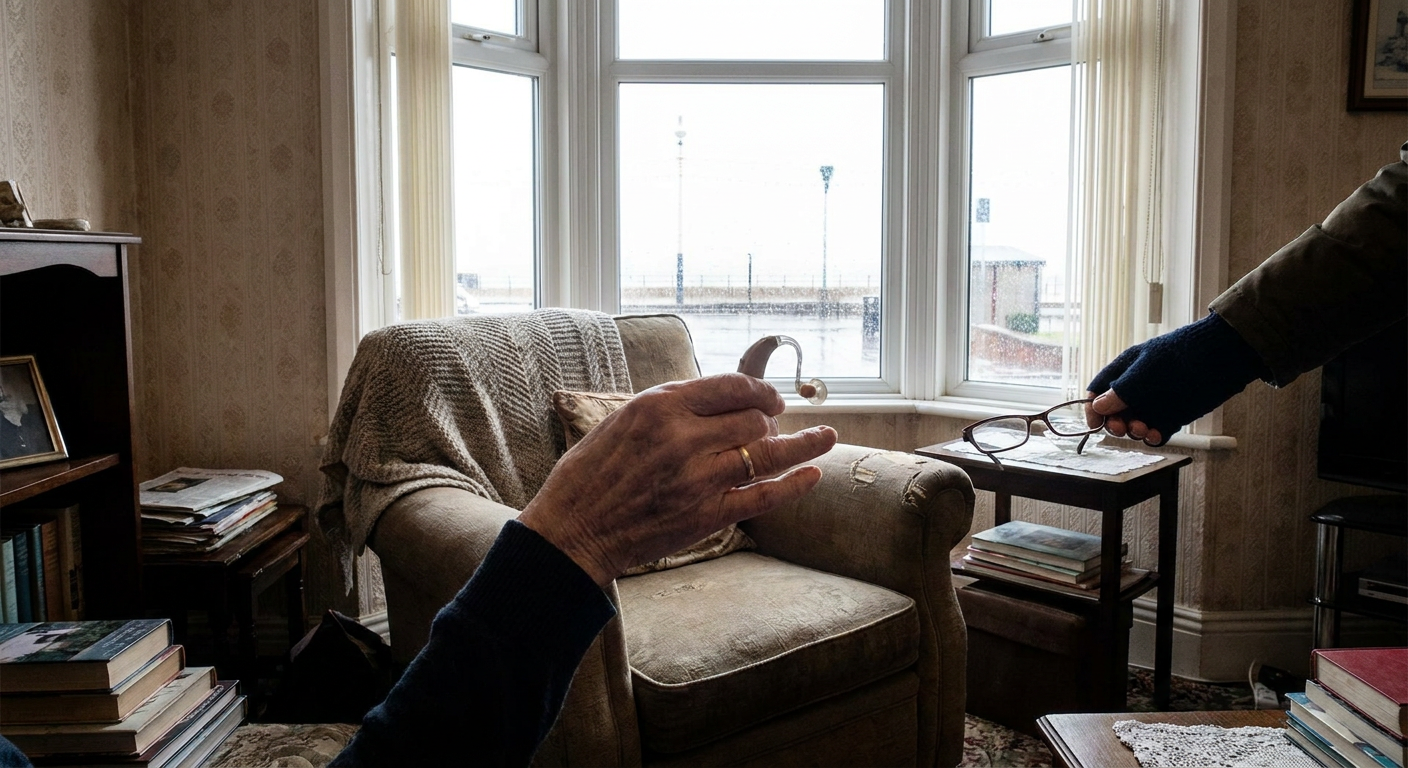
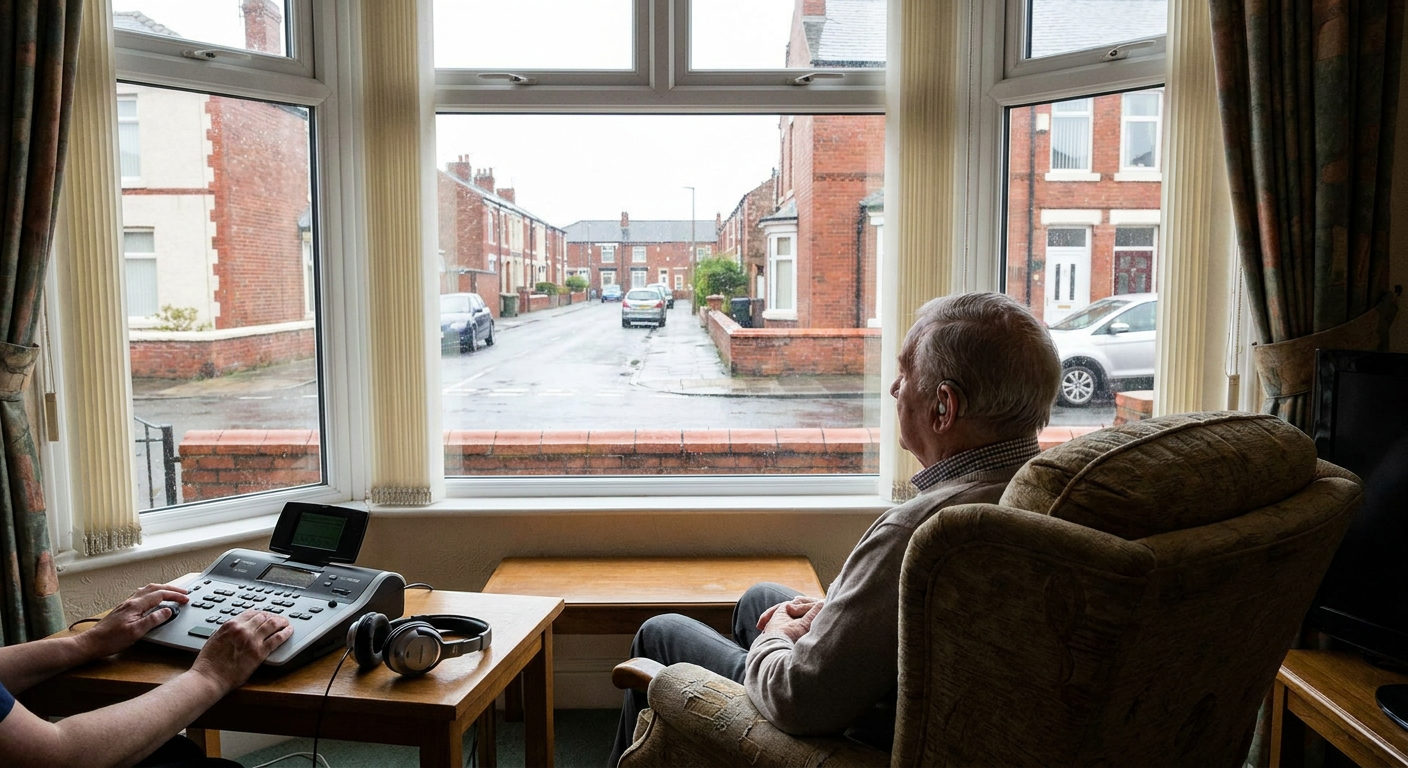
An audiologist brings portable testing equipment to the home for anyone who finds travelling to a clinic difficult.
-
Tinnitus Assessment
The audiologist measures the pitch and loudness of the ringing and discusses management options suited to those findings.
What your symptoms might point to
The same difficulty can have several causes. A tone test separates them by showing exactly which frequencies each ear misses and which it still catches clearly.
- Needing the television louder than others
- Often points to reduced sensitivity in higher pitches. A pure tone audiogram shows whether the loss is mild or something that needs further investigation.
- Losing track of speech in busy rooms
- Background noise masks softer consonants when certain frequencies drop. Speech-in-noise testing during the appointment reveals how much is affected.
- Ringing or buzzing with no outside sound
- Tinnitus frequently accompanies changes in hearing thresholds. The audiologist measures its pitch and volume to guide management options.
- One ear feeling constantly blocked
- Wax buildup, fluid or a shift in nerve function can all cause this sensation. Otoscopy and tympanometry narrow down the reason.
What to have ready for the audiologist
The audiologist will ask about your medical history, any medications you take and the situations where you notice difficulty. Having these details written down means the appointment focuses on testing rather than trying to remember dates or names.
Bring the list to your appointment or include it when you enquire.
What happens during the test
Each step builds on the last. The audiologist starts by looking at the ear itself, then moves to tones, then speech, so the final picture is complete.
-
Otoscopy
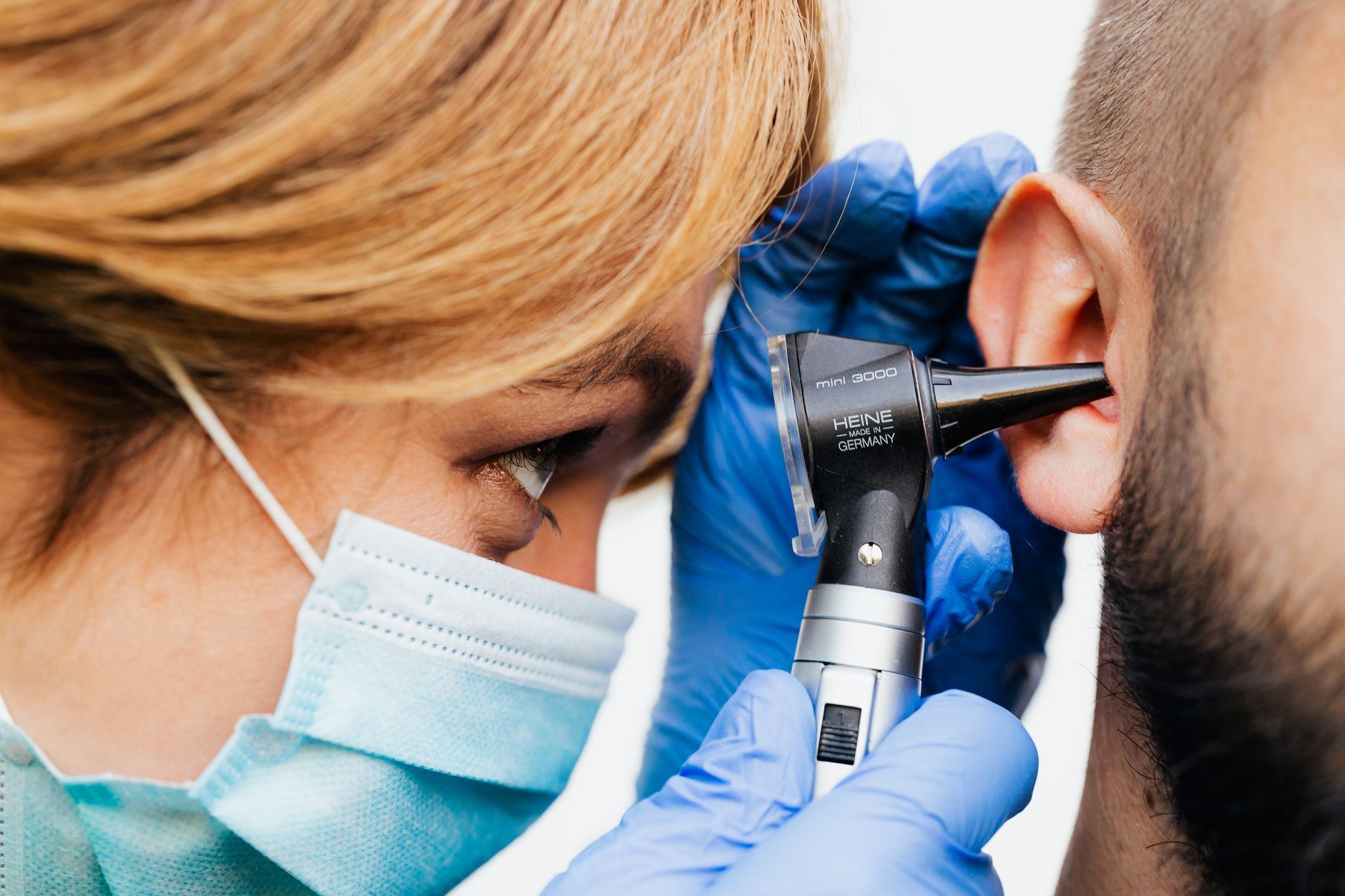
The audiologist uses a lighted instrument to look inside the ear canal. This rules out wax blockage or infection before any sound testing begins.
-
Pure tone audiometry
You sit in a soundproof booth wearing headphones. The audiologist plays tones at different pitches and volumes, recording the quietest sound each ear detects.
-
Speech audiometry
The audiologist reads word lists through the headphones at varying volumes. This measures how clearly you recognise speech, not just whether you hear a beep.
-
Tympanometry
A soft probe changes air pressure in the ear canal. The reading shows whether the eardrum moves freely or if fluid sits behind it.
-
The audiogram
The audiologist plots every result on a graph. This chart shows exactly which frequencies each ear hears normally and where hearing has dropped.
If results suggest a medical issue rather than age-related change, the audiologist will recommend a referral to your GP.
Working out how soon to act
Knowing what to call the problem matters less than knowing how quickly to do something about it. Only an audiologist running a full test can confirm what is happening, but the speed of onset usually decides how fast to book.
-
Hearing dropped suddenly in one or both earsToday
Sudden sensorineural hearing loss needs urgent medical assessment. Delaying reduces the chance of recovery.
What to do Enquire immediately and state the change was sudden so the appointment is prioritised.
-
Ringing started after a loud event and will not stopSoon
Noise exposure can damage hair cells in the inner ear. Early assessment determines the extent of the shift.
What to do Book a test within the next week and avoid further loud noise meanwhile.
-
Gradually turning the television up over several monthsWorth watching
Slow changes often reflect age-related threshold shifts. A baseline test records where hearing stands now.
What to do Arrange an appointment at a convenient time to establish a starting point.
-
Asking people to repeat themselves more oftenSoon
Difficulty following speech usually means certain frequencies have dropped below normal conversational levels. An audiologist measures exactly which pitches the ear misses, so the resulting audiogram shows where hearing has shifted.
What to do Book a test to see which pitches are affected and discuss options.
-
One ear feels muffled compared to the otherSoon
Asymmetry between ears can stem from wax, fluid or nerve changes that need distinguishing.
What to do Have the audiologist examine the ear and run a comparison test.
Nothing here diagnoses your hearing. If your hearing dropped suddenly or worsened over days rather than months, mention that when you enquire so it can be seen promptly.
Ask about a hearing test near you
Send an enquiry with your details and preferred clinic. Someone will respond to arrange a time. Enquiring does not commit you to an appointment or any purchase.
- No obligation to proceed
- Local clinics across the Fylde
- First-time visitors welcome