Tinnitus assessment
Ringing, buzzing or hissing in the ears
Find out what an audiologist checks when tinnitus is the main complaint, how it relates to hearing loss, and what management approaches a specialist may discuss after examining your ears.
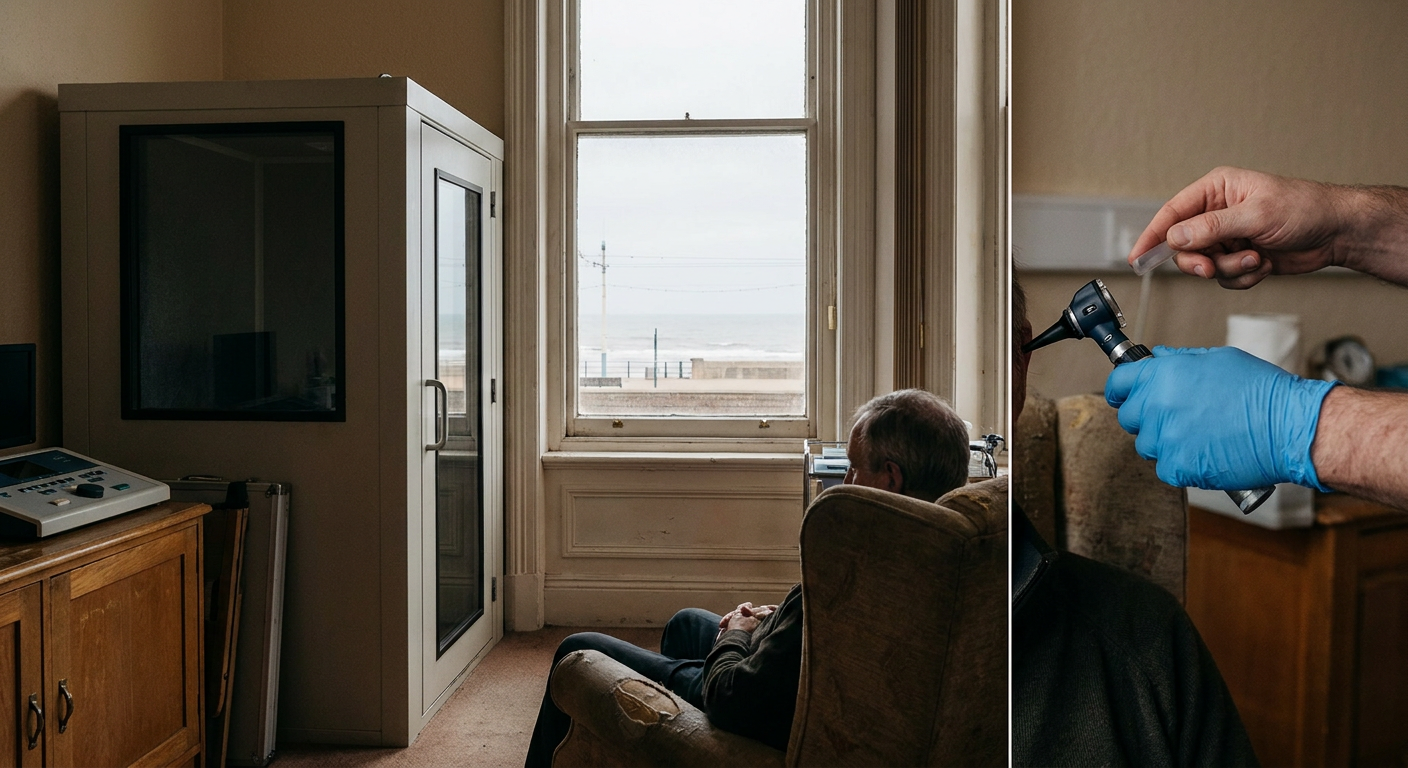
Hearing care across Blackpool and the Fylde
Each service below is carried out by a separate specialist firm working on its own account. You can read what each appointment involves before deciding which one fits your situation.
-

Hearing Tests
The audiologist measures how well you hear different pitches and volumes, recording the results on a chart that shows any loss clearly.
-
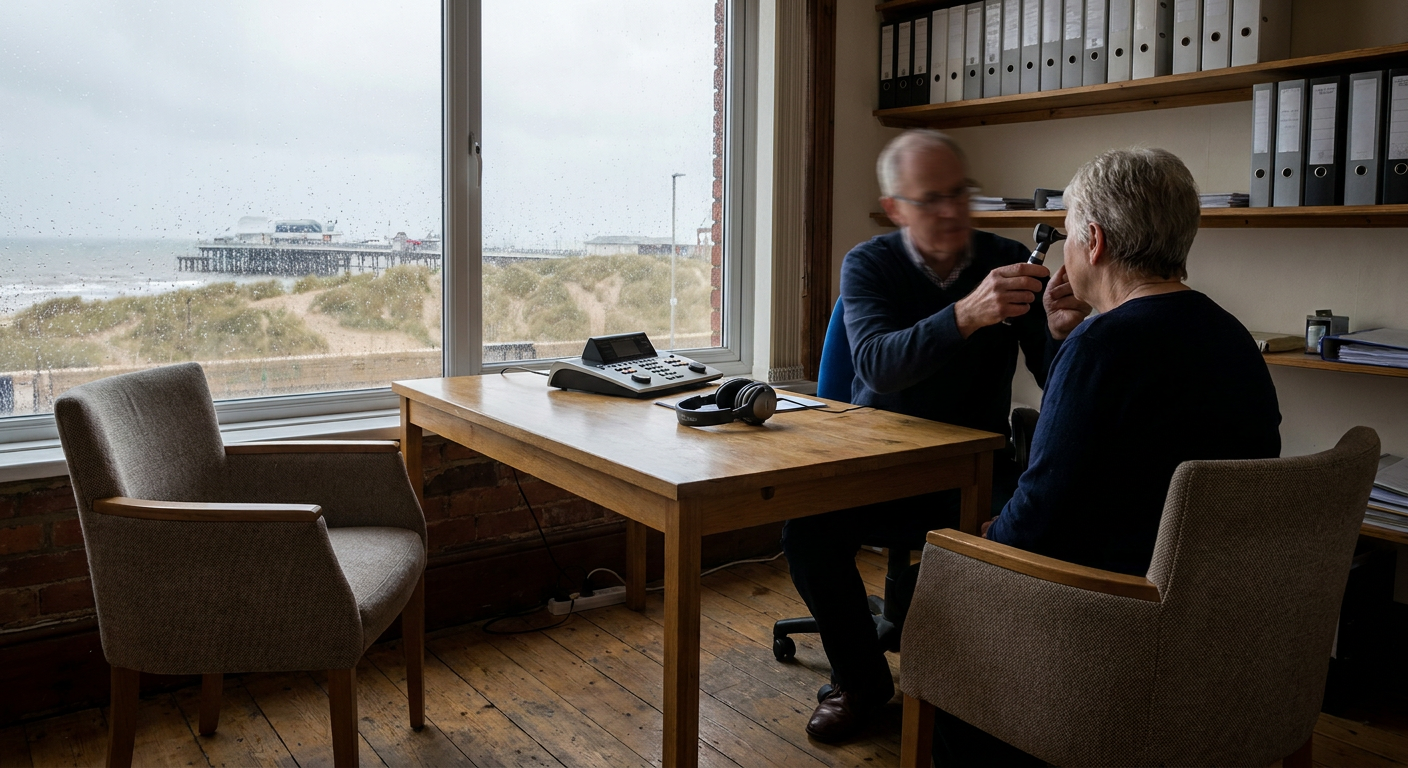
Audiologist Appointments
A specialist examines the ear canal, checks for wax or infection, and runs tests to find out why hearing has changed.
-

Hearing Aid Fitting
The audiologist selects a device suited to your hearing levels, fits it, and adjusts the settings until speech sounds natural.
-
Repairs and Replacement
A technician cleans, retubes or fixes a damaged aid, or arranges a replacement if the device cannot be restored.
-

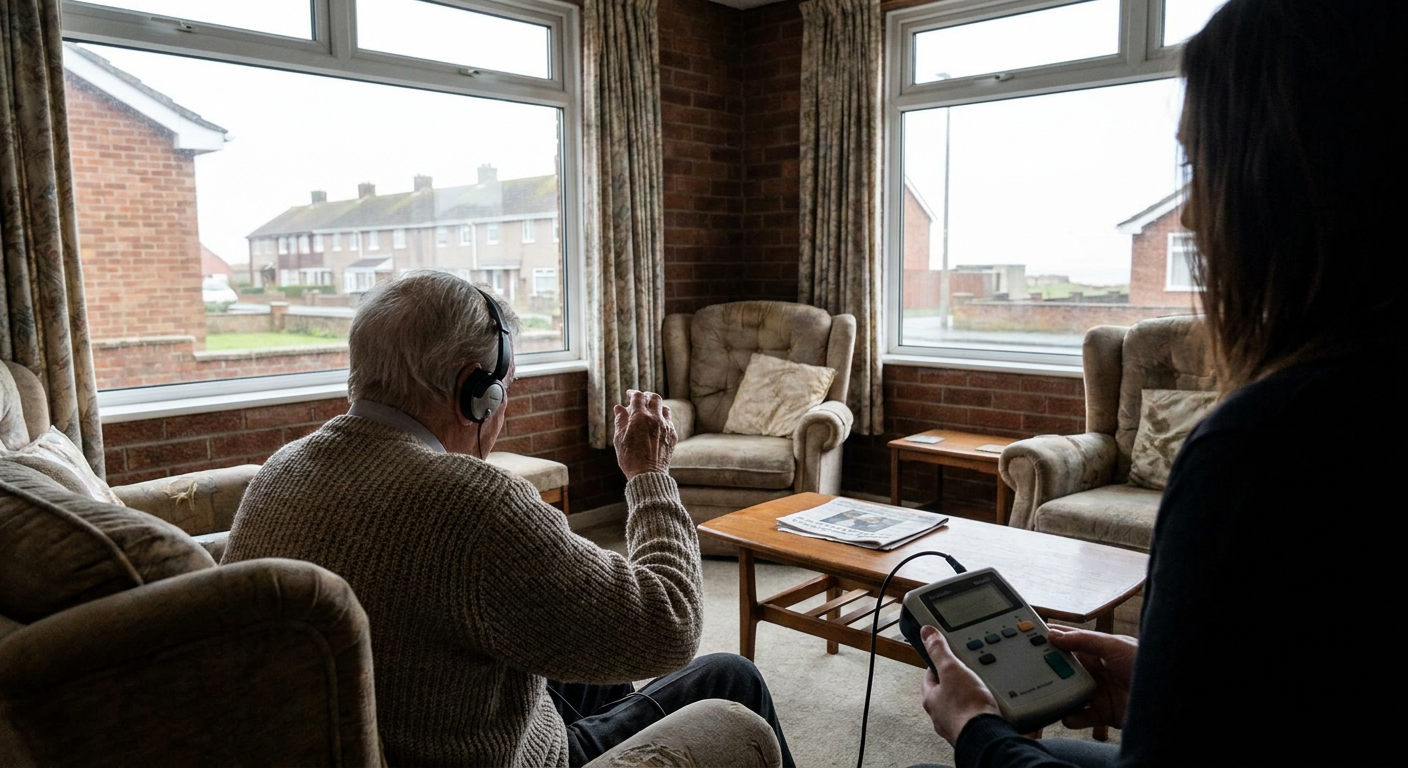
Home Visits
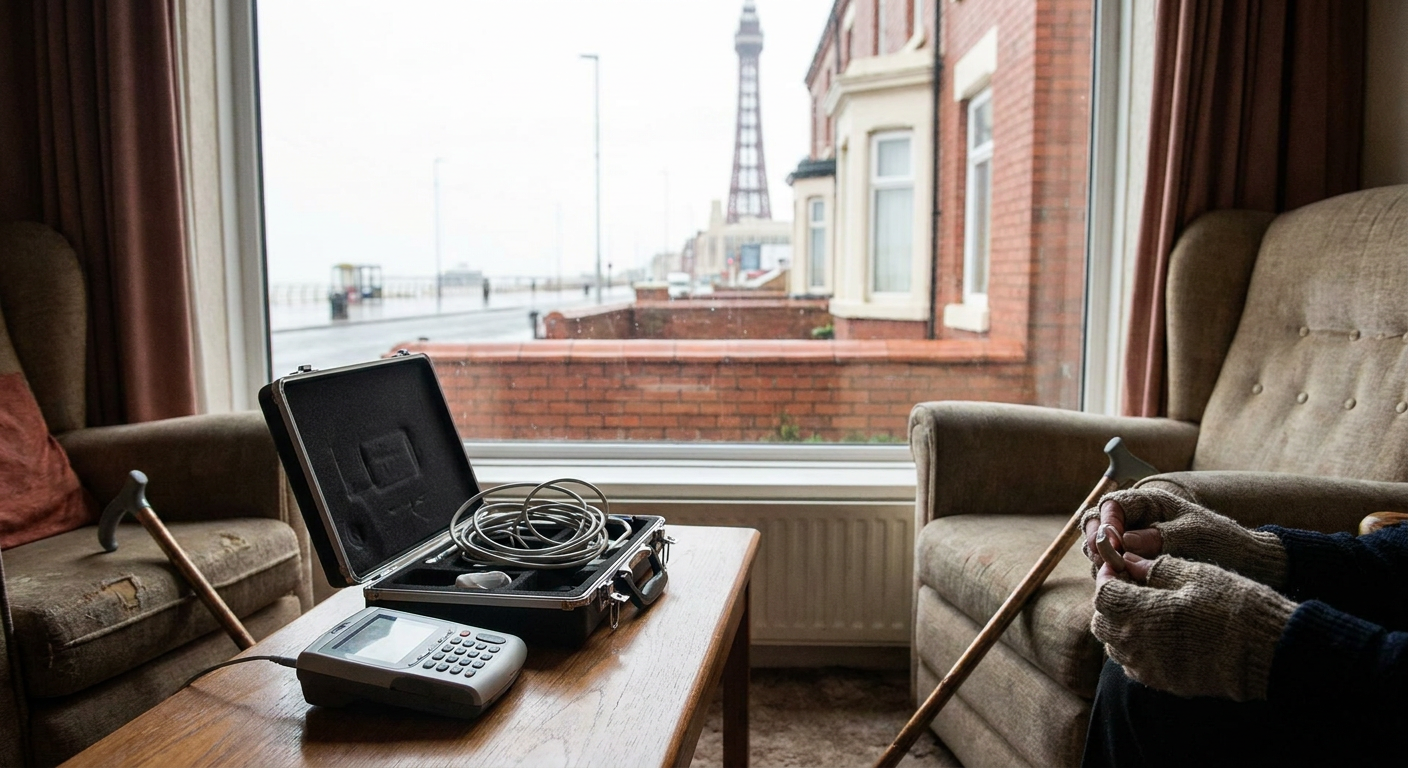
The audiologist travels to your home with portable equipment so you can be tested in familiar surroundings without travelling.
-
Tinnitus Assessment
A specialist evaluates the sound you hear, checks your hearing thresholds, and discusses practical ways to manage the noise daily.
Why you hear ringing, buzzing or hissing
Tinnitus means hearing a sound that has no outside source. It often appears alongside hearing loss, but stress, loud noise exposure, or even a simple build-up of wax can cause it too. A specialist needs to look inside the ear to find out more.
- 1
A constant high-pitched ring
You notice a steady tone in one or both ears, especially in quiet rooms. This sometimes points to changes in hearing sensitivity.
- 2
Buzzing after loud noise
The sound starts after concerts, machinery use or power tools. It may fade over hours or linger for days depending on exposure.

- 3
Hissing that masks conversation
A soft rushing noise makes it harder to follow speech. This can happen when background hearing has dropped slightly over time.

- 4
Pulsing in time with your heart
You hear a rhythmic throb matching your pulse. This type needs prompt medical attention because it can relate to blood flow.
What you do and what the specialist does
Your part stays small. You describe the sound and answer a few questions. The audiologist handles the testing, the examination, and the explanation of what the results mean for you.
You
- Describe when the sound started and what it resembles
- Mention any loud noise exposure, medication changes or recent illness
- Attend the appointment and ask about anything unclear
The audiologist
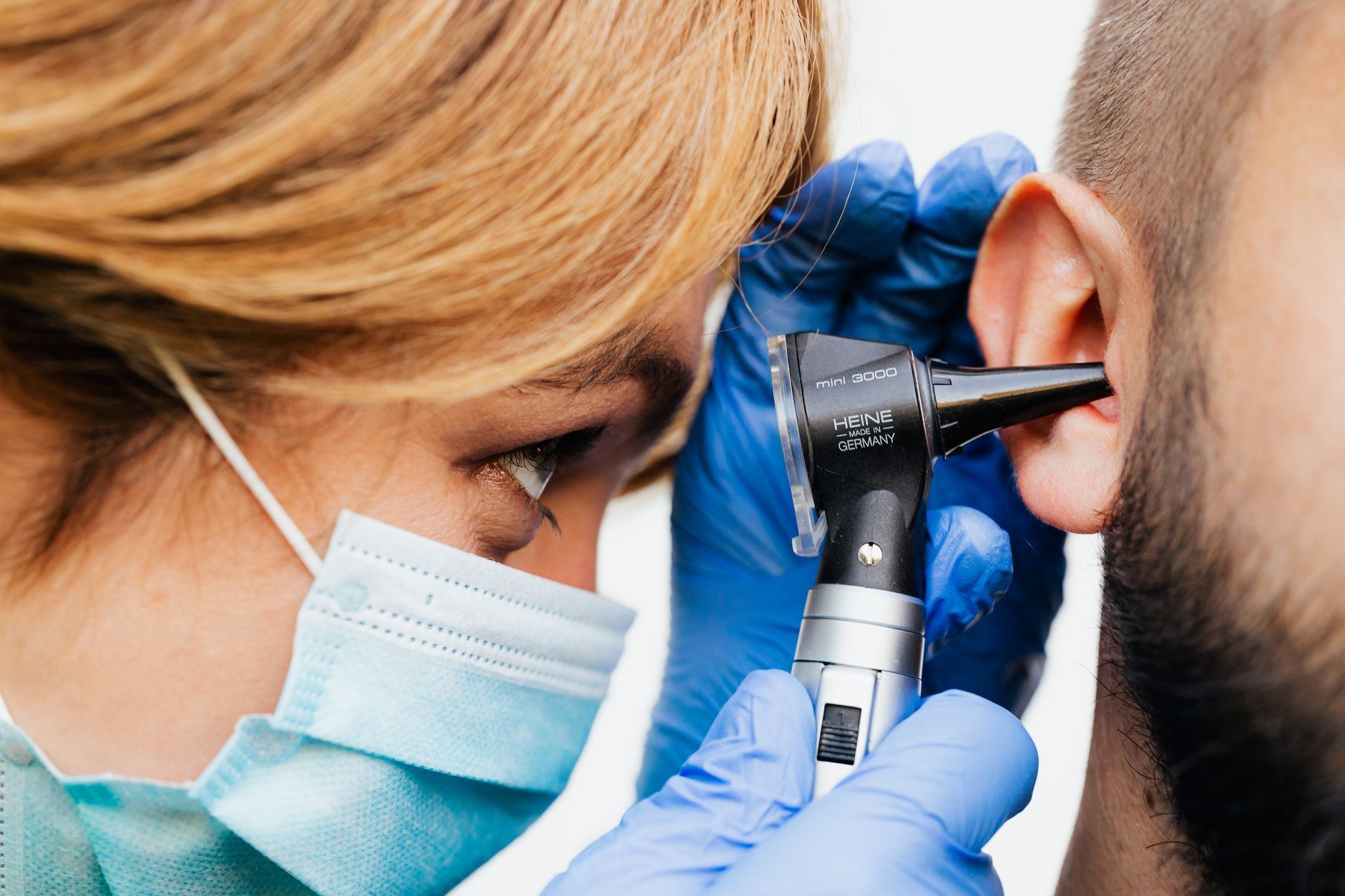
- Examine the ear canal for wax, fluid or physical damage
- Run pitch and volume tests to map your hearing thresholds
- Measure how loud the tinnitus is relative to external sounds
- Discuss management options such as sound therapy or hearing aids
- Refer you to a doctor if the findings suggest a medical cause
What a tinnitus assessment involves
This site takes enquiries from people in Blackpool and the Fylde Coast. Separate specialist firms receive those details and carry out the appointments independently. Each firm sets its own fees, schedules its own diary, and answers directly to you.
- We take your enquiry and pass it to a local audiology firm
- Each specialist firm operates entirely on its own account
- No diagnosis or treatment is given through this website
- You deal directly with the firm that contacts you
- Sending an enquiry does not commit you to any purchase
Questions about tinnitus assessments
Will the test tell me exactly why my ears are ringing?
Not always. An audiologist can rule out common causes like wax blockage or hearing loss. If the origin remains unclear after testing, they may refer you to an ear, nose and throat doctor for further investigation.
Is tinnitus always linked to hearing loss?
No. Many people with tinnitus have some degree of hearing loss, but others have normal hearing thresholds. Loud noise exposure, jaw tension, certain medications, and stress can all produce the sound independently.
Can a hearing aid reduce the ringing?
Often, yes. When hearing loss is present, amplifying outside sounds gives the brain more to process, which can make the internal noise less noticeable. Some devices also include built-in sound generators designed specifically for tinnitus.
What happens during the appointment?
The audiologist looks inside your ears, asks about the sound you hear, and runs a standard hearing test. They may also measure the pitch and loudness of your tinnitus to compare it against your hearing thresholds.
Do I need a referral from my GP first?
No. You can book directly with a specialist firm. However, if the audiologist spots something that needs medical attention, they will advise you to see your GP afterward.
Ask for a tinnitus assessment
Send your details and a local audiology firm will contact you to arrange an appointment. Submitting this form does not commit you to a booking or a payment.
- No obligation to book
- Local Fylde Coast firms
- Direct specialist contact