Fylde Coast guides
Signs of hearing loss and what to do next
Read through the guides below to understand what a hearing test involves, where to go locally, and which symptoms matter. Enquiries about any of these topics are free and carry no obligation.
Guides to hearing tests across Blackpool and the Fylde Coast
Booking a hearing test and what happens at the appointment
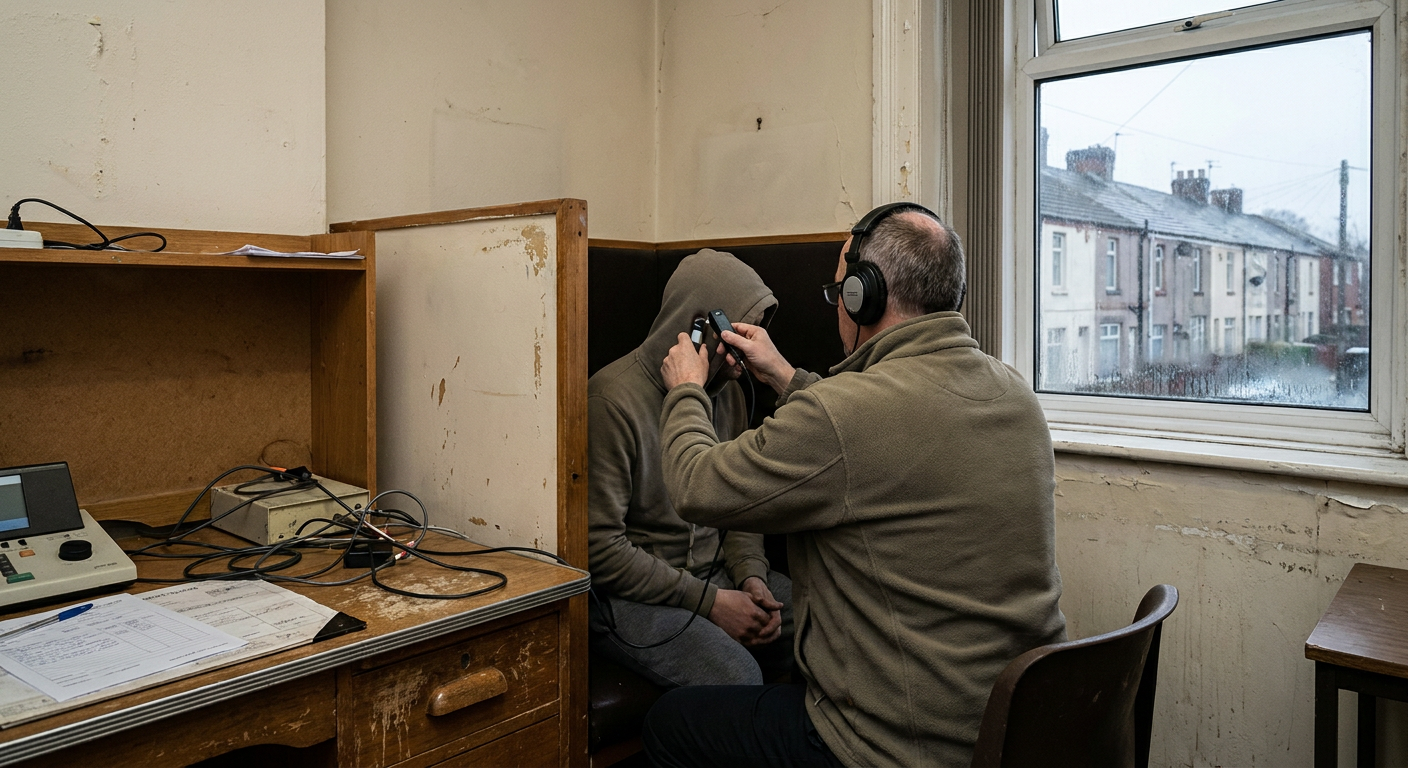
A hearing test measures how well you pick up sounds at different pitches and volumes. The audiologist places headphones over your ears and plays a series of tones, asking you to press a button or raise a hand each time you hear one. They also check how clearly you understand spoken words against background noise.
The whole process takes around thirty minutes and causes no discomfort. Afterwards, the audiologist explains the results in plain language rather than leaving you to interpret a chart on your own. If your hearing falls within normal limits, that is the end of it. If there is a loss, they talk through whether a hearing aid would help and what the next steps look like.
You do not need a referral from a GP to book. Anyone living in Blackpool or along the Fylde Coast can arrange an appointment directly. Read more about what is checked during the test and how to book one.
Seeing an audiologist on the Fylde Coast
An audiologist is the person who carries out the test, interprets the results and recommends what to do next. They hold a degree in audiology and are registered with a professional body such as the Health and Care Professions Council. This matters because hearing loss has many causes, and the right response depends on which one applies to you.
Some people assume a hearing test is something only older adults need. In practice, anyone exposed to loud environments, experiencing ringing in their ears, or finding conversations harder to follow should have one. An audiologist can distinguish between temporary problems like wax build-up and permanent changes that need management.
Appointments take place at clinics across the Fylde Coast or in your own home if travelling is difficult. The audiologist brings portable testing equipment for home visits, so the standard of the assessment remains the same either way. Find out how to arrange an audiologist appointment near you.
Hearing aid fitting, styles and aftercare
If a test shows you would benefit from a hearing aid, the next step is choosing a style that suits your hearing loss, your daily routine and the shape of your ear. Behind-the-ear models sit discreetly above the ear and handle a wide range of losses. Completely-in-canal aids are smaller and less visible but may not offer enough amplification for severe cases.
The fitting itself involves programming the device to match your specific test results. The audiologist adjusts the settings while you listen, making sure speech sounds natural without making background noise unbearable. Small changes at this stage prevent frustration later.
Aftercare keeps the aid working properly. You will learn how to clean it, change batteries or charge it, and spot when something needs attention. Most fittings include a follow-up appointment a few weeks later to fine-tune the settings once you have used the aid in real situations at home and outdoors. Read more about hearing aid fitting in Blackpool.
Repairing a hearing aid that stops working
Hearing aids deal with moisture, earwax and daily handling, so problems occasionally arise. A device might whistle, cut out, produce distorted sound or stop working entirely. Before assuming it needs replacing, a specialist can examine it to find the fault.
Many repairs are straightforward. Blocked tubing, corroded battery contacts or a damaged microphone cover can be fixed quickly. More complex issues, like a failing amplifier, may require sending the aid to a workshop. The specialist handling the repair will tell you how long it is likely to take and whether the cost makes sense compared with a new device.
Regular servicing reduces the chance of sudden failures. Cleaning the aid properly and storing it in a dry place overnight both help. If you notice a change in how your aid sounds, getting it looked at early usually means a simpler fix. Find out about hearing aid repairs available in Blackpool.
Having your hearing tested at home
Leaving the house can be difficult for some people, whether because of mobility problems, anxiety or simply the effort involved. A home visit removes that barrier. The audiologist travels to you and carries out the same assessment they would in a clinic.
They bring calibrated headphones and testing equipment, so the environment does not compromise the results. The only requirement is a reasonably quiet room for the duration of the test. Background noise from traffic or a television in the next room can interfere, so turning those off beforehand helps.
Home visits suit people who live alone and find travel stressful, as well as those caring for someone else who cannot easily leave the house. The appointment follows the same structure as a clinic visit: case history, tone test, speech test and a full explanation of the findings. Read about arranging a home visit hearing assessment.
Understanding tinnitus and what to do about it
Tinnitus is the perception of sound when nothing external is producing it. People describe it as ringing, buzzing, hissing or clicking. It can be constant or come and go, and its volume ranges from a faint background presence to something that disrupts sleep and concentration.
Tinnitus often accompanies hearing loss, but it can occur on its own. Causes include exposure to loud noise, ear infections, certain medications and stress. Because the origins vary, an assessment is the first step toward managing it.
An audiologist checks your hearing and asks detailed questions about when the sound started, what makes it better or worse, and how it affects your day. Depending on the findings, they may suggest sound therapy, hearing aids with built-in masking features, or a referral for further investigation. Ignoring tinnitus rarely makes it go away, and understanding what drives it is how you start reducing its impact. Learn more about tinnitus assessment in Blackpool.
Recognising signs that point to hearing loss
Hearing loss rarely announces itself suddenly. Instead, small changes accumulate. You might turn the television louder than others find comfortable, ask people to repeat themselves, or struggle to follow conversations in busy pubs and cafes. These shifts are easy to dismiss as tiredness or other people mumbling.
Other signs include a blocked sensation that does not clear, difficulty hearing higher-pitched voices, or needing to watch someone's lips to understand them. People who have worked in noisy environments without adequate protection often notice changes earlier than expected.
Sometimes the concern is about someone else. If a parent or relative seems to withdraw from conversations or responds inappropriately, they may not realise their hearing has changed. Arranging a test for them requires tact, but catching a problem early makes a significant difference to how well it can be managed. Read the guides on recognising symptoms, from loud televisions to noise damage at work.
Ask about a hearing test near you
Send an enquiry to find out what a test involves or to arrange one. There is no charge for asking, and it does not commit you to booking anything.
- No obligation to proceed
- Free to enquire
- Local to the Fylde Coast
Signs \u0026 symptoms
- TV volume
A TV too loud for family in the room is often an early sign of hearing loss. Know the signs to look for and what a hearing test on the Fylde Coast checks.
- Noisy rooms
If you can't hear in noisy pubs or cafes yet manage fine one to one, that pattern often points to hearing loss. See what a hearing test checks.
- Ringing in ears
Ringing in my ears, known as tinnitus, can come and go or stay constant. Learn the common causes, when to have hearing checked and how assessment works.
- Blocked ear
A blocked ear that won't clear may be wax, fluid behind the eardrum or hearing loss. See the signs that tell them apart and when to have it looked at.
- Noise at work
Hearing loss from loud work affects bar, club, dock and factory staff across the Fylde Coast. Find out how noise damage shows up and what a test measures.
- For a parent
Arranging a hearing test for an elderly parent who is reluctant or housebound: what to say, what the test involves and how a home visit can work.
- Advice
Hearing loss advice and guides covering early signs, what a test checks, hearing aids and tinnitus, so you know what to expect before arranging a test.