For family and carers
Arranging a hearing test for a reluctant relative
Send an enquiry about your relative. There is no charge to ask, and it does not commit them to anything. You will find out what a home visit involves and how consent works before any appointment is made.
Raising the subject with someone who resists
Telling a parent or partner they might need a hearing test rarely goes smoothly. Most people hear the suggestion as criticism rather than help. They may deny the problem entirely, or agree something is wrong but refuse to act on it.
Pick a moment when the house is quiet and neither of you is rushed. Mention one specific thing you noticed: the television volume, asking you to repeat yourself at dinner, withdrawing from conversations. Keep it factual. Avoid listing every instance you can remember, because that feels like an ambush.
Frame the test as information gathering rather than a step toward wearing a device. Many older adults equate hearing aids with frailty. A test simply measures where things stand right now. If the audiologist finds nothing, that settles the worry. If they find a loss, knowing its shape means choices can be made calmly instead of under pressure later.
You do not have to win the argument in one sitting. Plant the idea and leave it alone for a few days. Sometimes hearing it once, then seeing you drop it, gives a person space to consider it without feeling cornered.
What consent looks like when you book for someone else
An adult must agree to their own hearing assessment. You cannot book one on their behalf without their knowledge, even if you hold power of attorney for their finances. Health decisions remain theirs unless a court has ruled otherwise.
When you send an enquiry, mention that you are acting for a relative. The specialist firm handling the appointment will explain what they need. Usually this means the person themselves confirming they want the test, either by phone or in writing. Some firms accept a signed note; others prefer to speak to them directly.
If your relative lacks capacity to consent, the rules change. The audiologist will follow the Mental Capacity Act and work with whoever holds legal authority. Be prepared to show documentation if that applies. Do not assume the clinic knows the legal position. State it clearly when you first get in touch so the right process is followed from the start.
Consent also covers what happens with the results. Your relative decides whether you receive a copy or sit in on the consultation. Ask them beforehand so there are no surprises in the room.
Attending the appointment as a carer or family member
Sitting in on a hearing test helps in several ways. You can provide context the audiologist needs: when the difficulty started, whether it worsens in certain rooms, how it affects daily routines. The person being tested often downplays these things.
Your presence also helps afterward. Audiologists give instructions about ear care, follow-up steps, or how a new device works. Retaining all of that while processing unexpected news is difficult. Having a second pair of ears means fewer details get lost on the drive home.
Ask your relative if they want you there before the day arrives. Some people prefer privacy during the actual testing portion but welcome company for the discussion afterward. Respect whatever boundary they set. Pushing into the room uninvited can make them defensive and less likely to return for follow-up visits.
If the appointment is at a clinic rather than at home, plan the journey together. Work out parking, waiting times, and whether they need support walking from the car. Removing small logistical worries makes saying yes to the appointment easier.
Requesting a home visit for someone who is housebound
Clinic appointments rule out anyone who cannot travel easily. Mobility problems, severe anxiety, or advanced illness make leaving the house impractical. Home visit assessments exist for exactly these situations.
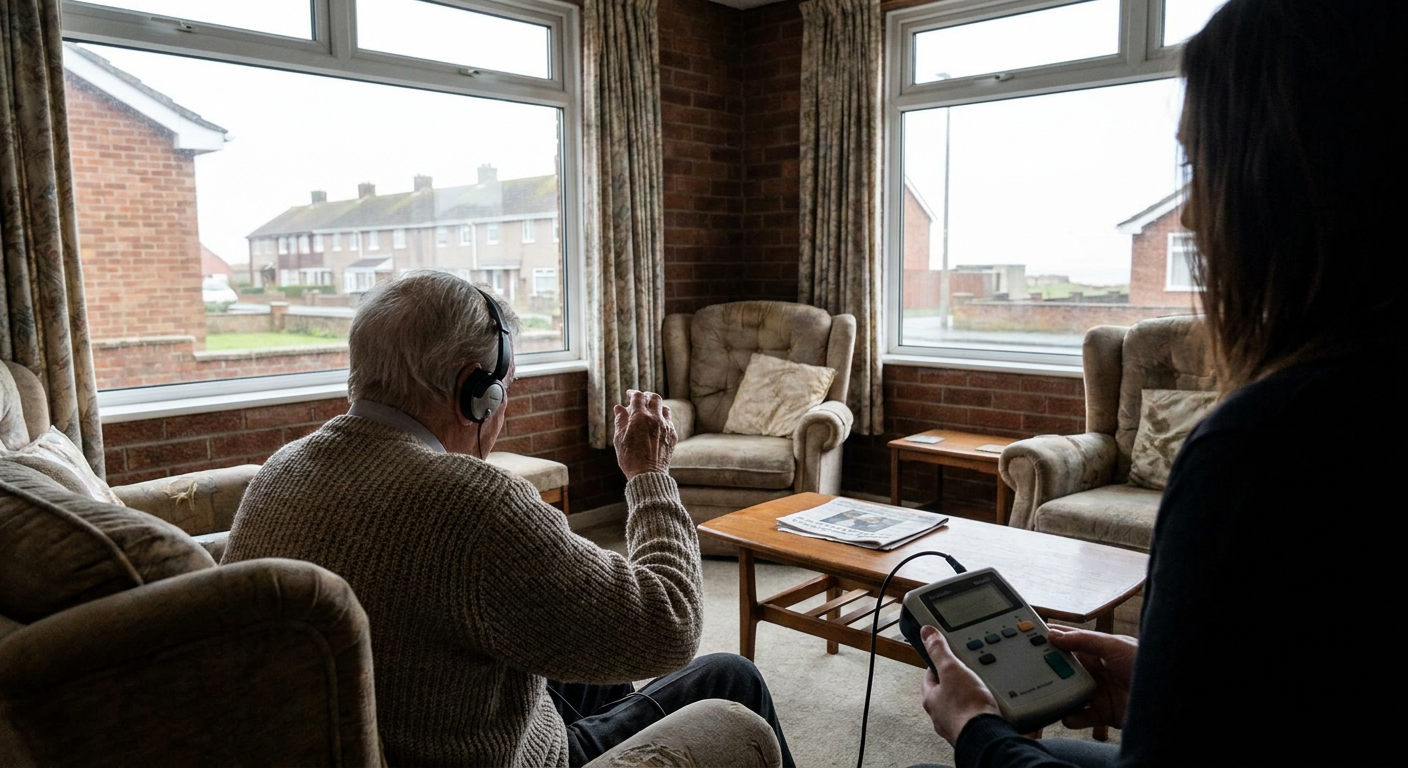
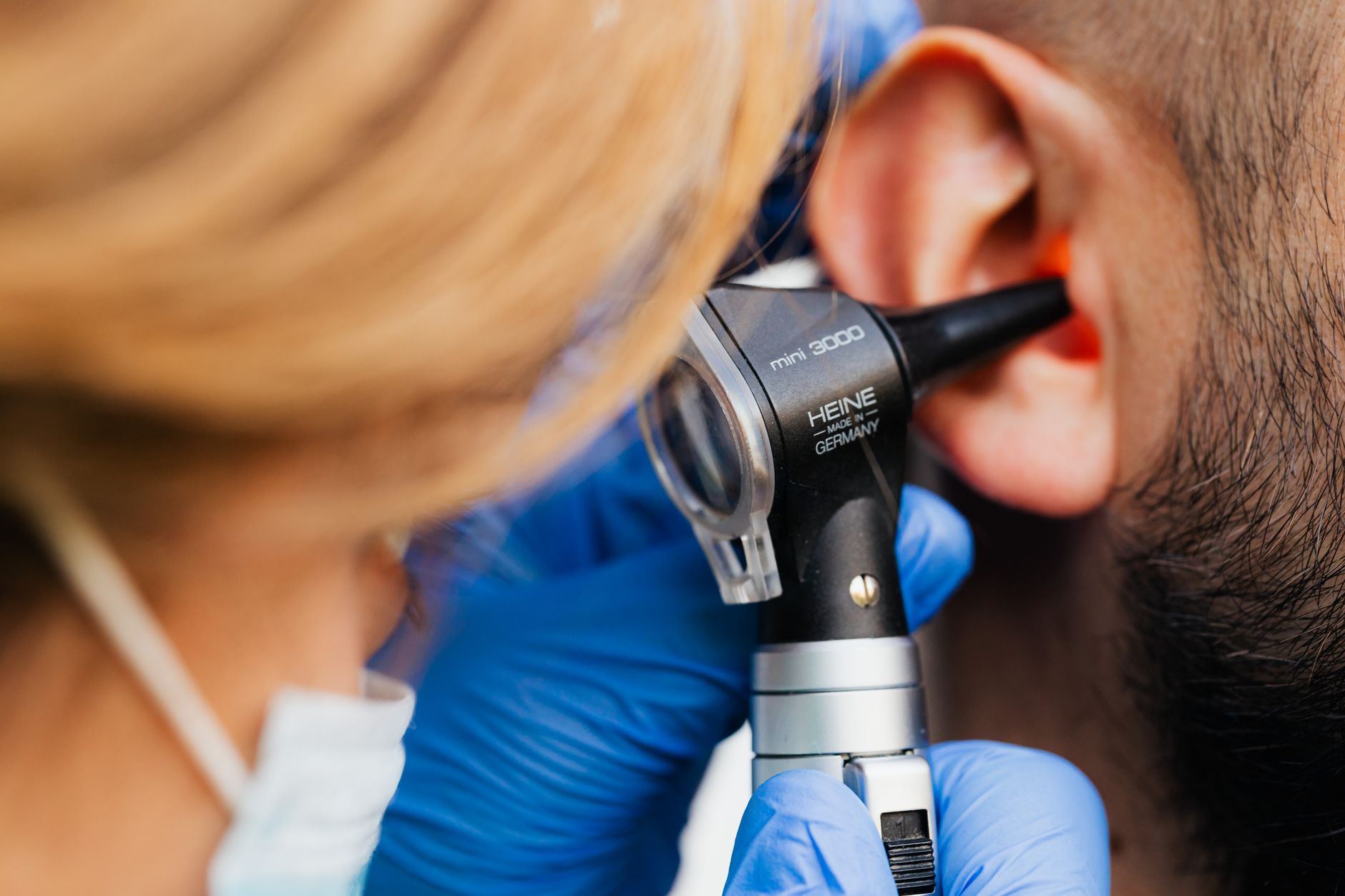
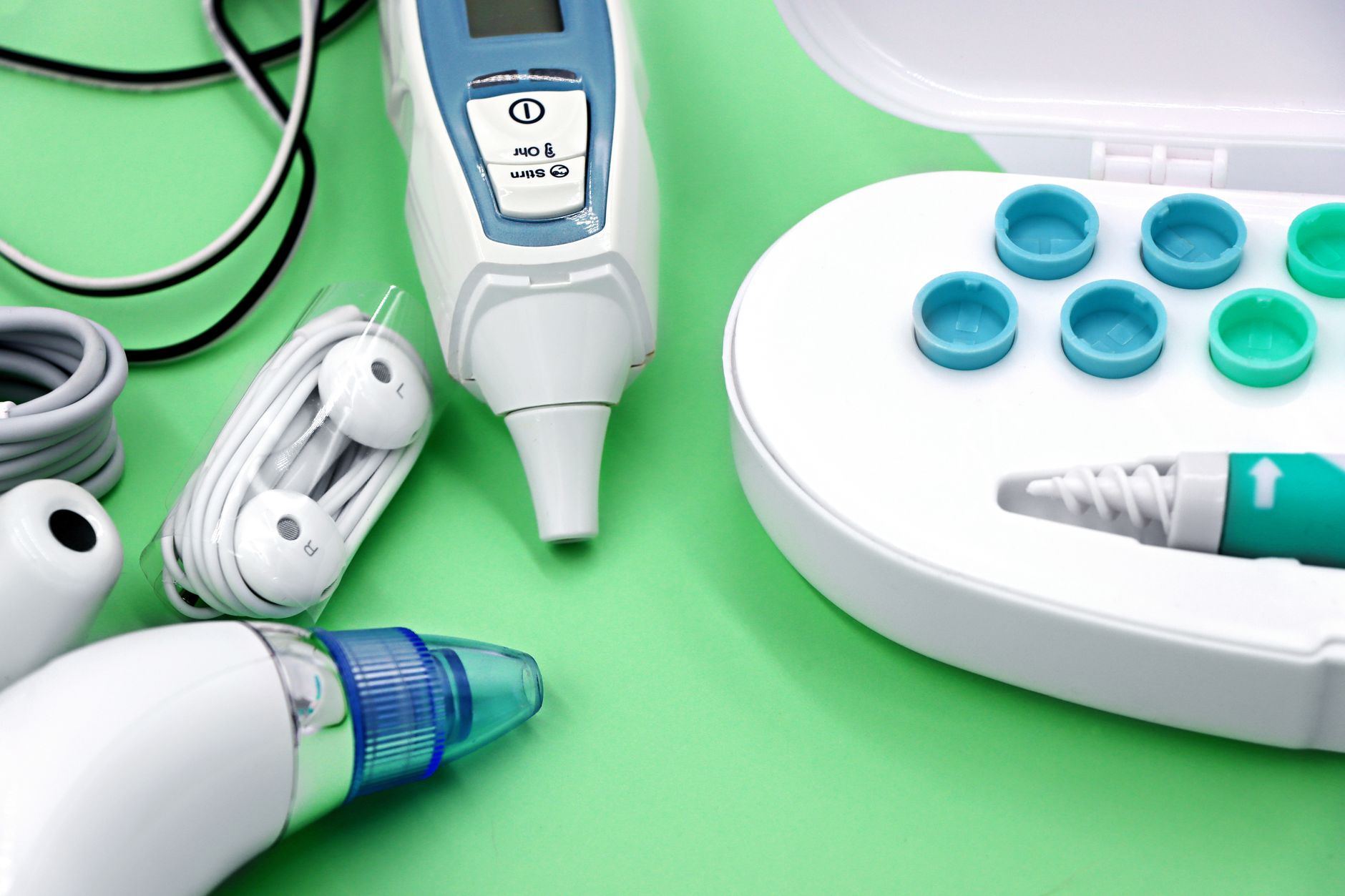
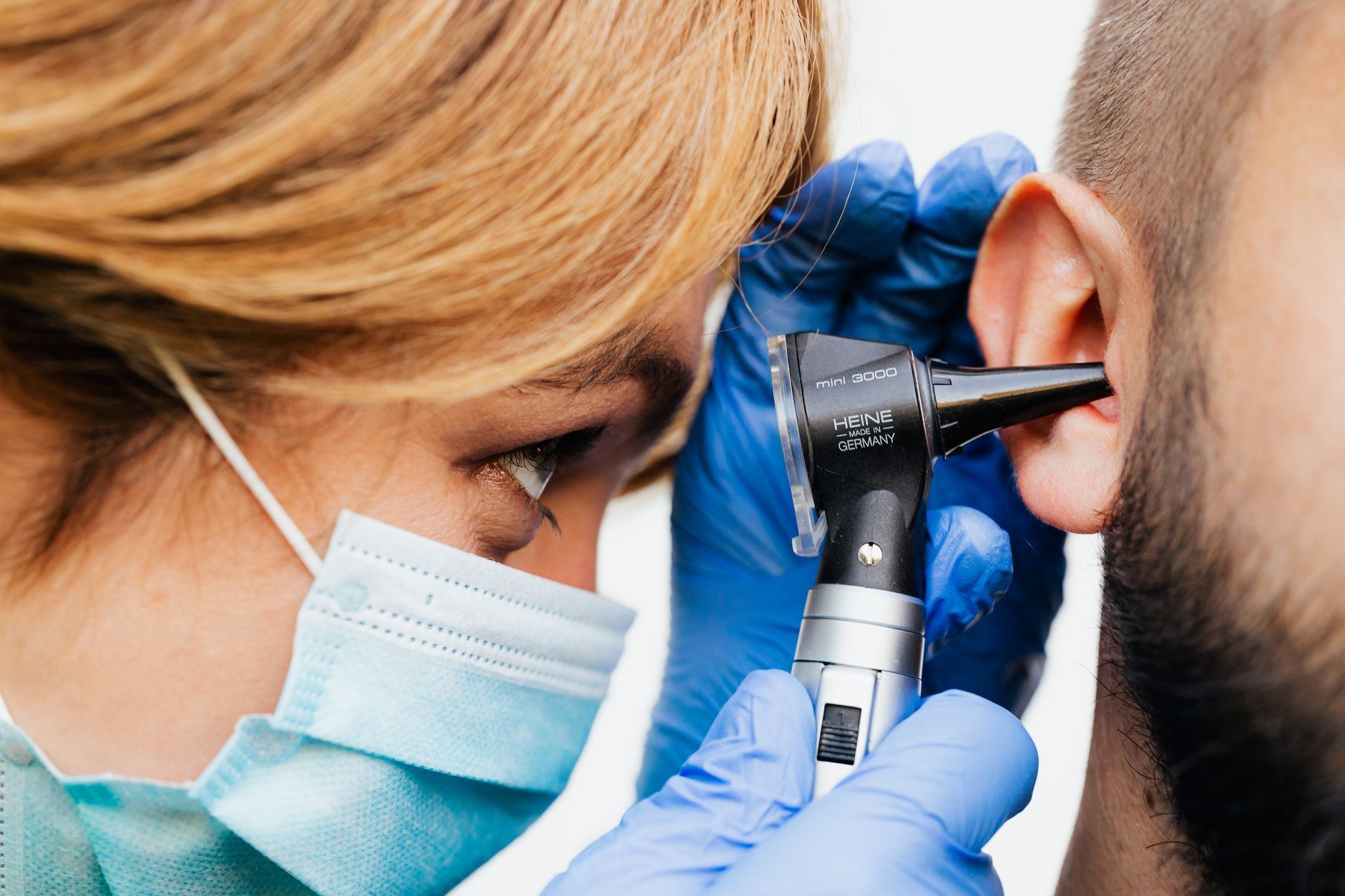
A specialist audiologist brings portable testing equipment to your relative's address anywhere across Blackpool and the Fylde Coast. The test itself mirrors what happens in a clinic: a conversation about medical history, an examination of the ear canal, and tones played through headphones to map what frequencies are affected.
The familiar setting matters. People who are confused or frightened in clinical rooms often relax at home. They answer questions more accurately, which produces better data. The audiologist can also observe the listening environment directly: background noise from appliances, room acoustics, where the person usually sits to watch television.
When you enquire about a home visit, describe the access situation. Mention stairs, narrow doorways, or pets. Note whether your relative uses a hoist or requires two carers to transfer. This information lets the visiting audiologist bring the right equipment and allow enough time. There is no obligation until your relative agrees to proceed.
After the test: supporting next steps without pushing
Receiving results can be emotional. Your relative might feel relief that the loss is mild, or shock that it is worse than expected. Give them time to absorb it before discussing hearing aids or further treatment.
If the audiologist recommends amplification, the decision belongs to the person tested. You can share what you observed during the trial, but avoid framing refusal as stubbornness. Adapting to a hearing aid takes weeks, and the motivation to persist has to come from the wearer.
Follow-up appointments matter as much as the initial test. Ears change, devices need adjustment, and wax builds up. Offer to handle the diary management so your relative does not have to track dates themselves. Book transport if getting to the clinic is part of the barrier.
Sometimes the most useful thing you can do is normalise the process. Wear your own glasses visibly. Mention friends who use aids without fanfare. Hearing loss is common, and treating it as ordinary removes some of the stigma that keeps people from seeking help.
Signs your relative may be losing their hearing
Hearing loss in older adults develops slowly. They adapt without realising it, so the signs often show up in behaviour rather than complaints about sound.
- 1
Television volume rising steadily
The remote gets turned up higher each week. Other household members find the volume uncomfortable while your relative insists it sounds normal.
- 2
Withdrawing from group conversations
They stop joining family meals or sit quietly at the edge of the room. Following multiple voices at once becomes exhausting, so they opt out.
- 3
Answering the wrong question
They catch fragments of speech and guess the rest, so replies drift away from what was actually asked.
- 4
Asking for constant repetition
Phrases like "what did you say" or "speak up" become habitual. They may blame mumbling or background noise rather than their own hearing.

- 5
Startling at sudden sounds
Paradoxically, some people with hearing loss jump more easily at loud noises. The brain loses its ability to filter volume gradually.

Typical costs for hearing care services
Prices vary because every person's hearing profile differs. The type of technology chosen, the complexity of the fitting, and whether travel is involved all shift the final figure. Only a face-to-face assessment produces an exact cost.
-
Standard hearing test at a clinic
£0 to £80
Some NHS referrals carry no fee, while private clinics set their own rates based on location and duration.
-
Home visit hearing assessment
£75 to £150
Travel distance across the Fylde Coast and the time required for access arrangements affect the total.
-
Single basic hearing aid fitted
£600 to £1,200
Technology level, mould type, and the number of follow-up adjustments included in the package.
-
Pair of mid-range hearing aids
£1,500 to £3,000
Brand features, Bluetooth connectivity, and whether both ears require different programming profiles.
-
Hearing aid repair or retubing
£30 to £120
Whether the fix is a simple tube replacement or internal component work requiring parts ordering.
-
Tinnitus assessment and therapy
£100 to £250
Session length, masking device provision, and the number of follow-up consultations needed.
These figures indicate what hearing care typically costs. Nothing here is a quotation. Only an in-person assessment by a specialist firm can settle a price for one individual.
Enquire about a test for your relative
Tell us about your relative's situation. The details go to a local specialist firm who will explain the options. Sending this form does not book an appointment or commit anyone to a purchase.
- No obligation to proceed
- Local Fylde Coast specialists
- Home visits available